How to Use Your Private Plagiarism Database
Build a private document collection, compare new writing against it, and understand the difference between Storage matches, web results, and saved reports.
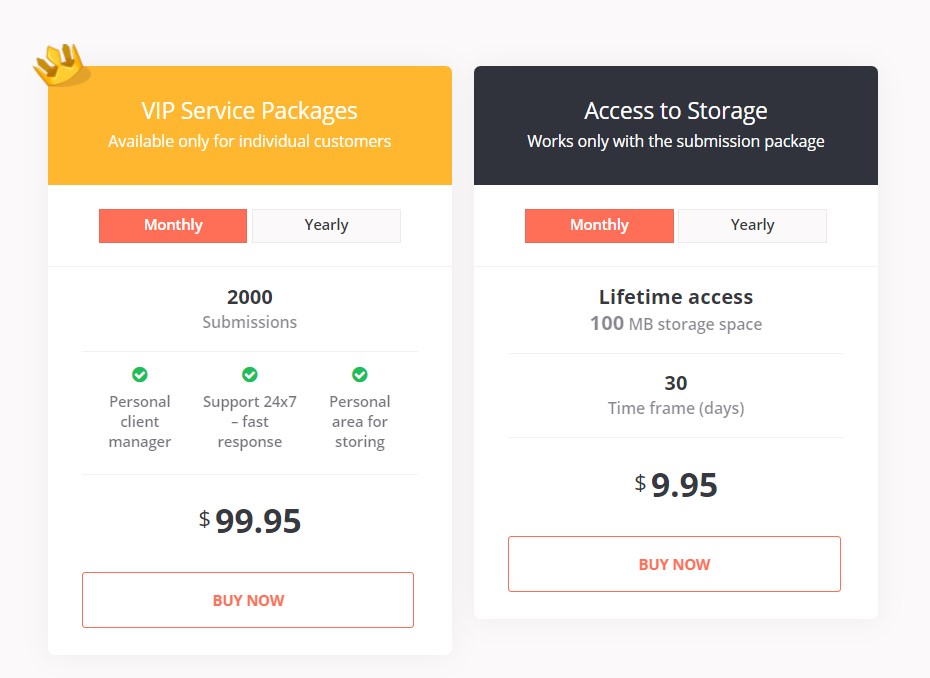
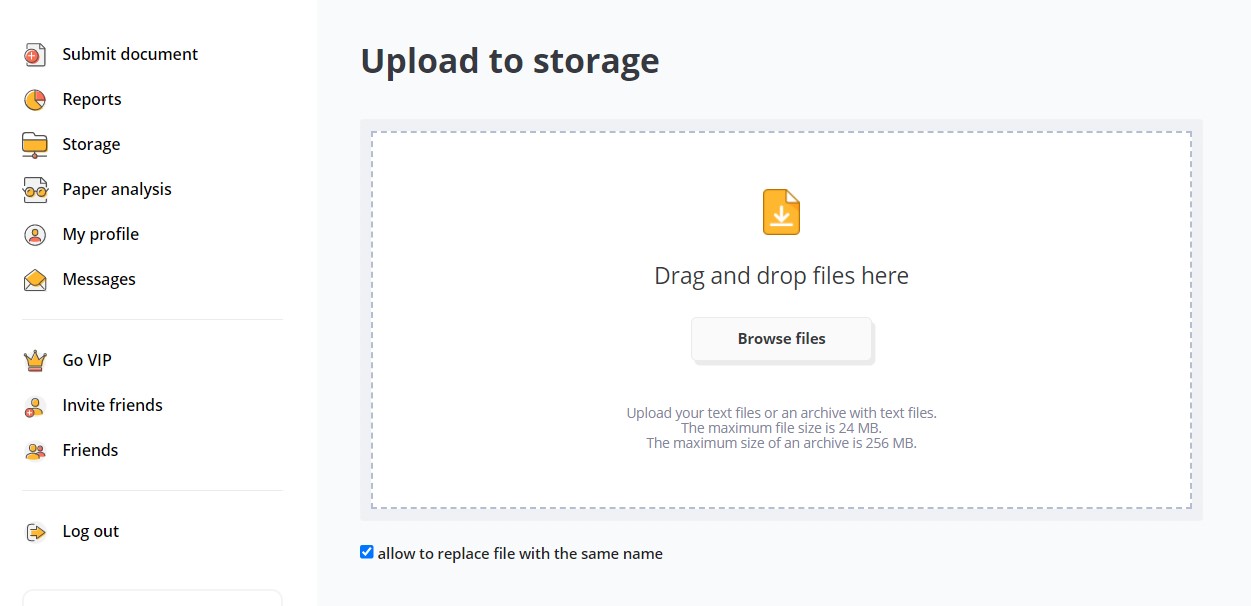
The three screenshots below show an earlier PlagiarismSearch interface. Your current account may display different controls, file limits, or navigation.
What is a private plagiarism database?
PlagiarismSearch Storage is a private collection of texts that you choose to make available for future similarity comparisons. Instead of searching only outside sources, you can also compare a new draft with documents previously added to your own Storage or an authorized organization collection.
This is useful when working with previous student submissions, internal publications, recurring content, research drafts, or versions of the same document. Storage helps you find overlapping passages; it does not decide by itself whether reuse is inappropriate or violates an institution’s rules.
When should you compare documents with Storage?
Storage is especially helpful when the important sources are not publicly indexed on the web. Examples include:
- Universities and colleges: compare new assignments with previously submitted work in an authorized institutional repository.
- Research groups: review substantial overlap between drafts, earlier papers, and material your team has permission to use.
- Businesses: compare new marketing copy or reports with existing internal materials to find repeated text.
- Individual writers: identify reused passages across multiple revisions or earlier documents.
Repeated wording is not always plagiarism. Templates, common phrases, legitimate self-citation, and quoted material need human review. The appropriate action depends on the purpose of the text and the applicable publishing or academic rules.
How to add documents to your private Storage
To build a collection, use the Storage tools available in your account or through an enabled integration. The available upload options, file limits, storage allowance, and permissions can vary by account and configuration.
- Decide which documents belong in the collection. Use only materials you are authorized to store and compare.
- Open your Storage area. Sign in and use the current account navigation rather than relying on menu names from older screenshots.
- Add the selected files. Follow the upload instructions shown in your account and check whether the files are accepted.
- Check availability and access. Verify that the uploaded texts appear in the relevant collection and that access permissions are appropriate.
- Run a comparison. Enable Storage as a search source when checking a new text.
Some PlagiarismSearch integrations, including supported API or LMS configurations, can add documents to Storage as part of an organization workflow. The exact behavior depends on the integration settings; see the API overview and Moodle integration guide.
Can checked text be added to Storage automatically?
PlagiarismSearch documents a setting called “Add reports text to storage” for saving checked text to a private collection for future comparisons. Some integrations also expose an Add to Storage option. If enabled, these settings can change what happens to checked content.
Before turning on automatic saving, consider whether you have the right to retain every submitted document, whether the repository is shared with other authorized members, and whether its contents should be searchable during later checks.
Choose web, Storage, or both for a check
Storage comparisons and web comparisons answer different questions. Where the check interface supports source selection, choose the collection that matches your task:
- Web sources: look for matches in available external sources.
- My Storage: compare with the private documents available to your account or authorized organization.
- Web + Storage: inspect overlaps from both kinds of sources in one checking workflow.
Review the source selection for each important check. Searching only Storage will not automatically cover the open web; searching only the web will not necessarily include your private documents. For configuration details, see Search Filters.
Options such as excluding references or in-text citations may affect what appears in the results. Use filters to understand the type of overlap you want to evaluate, not simply to force a lower score.
How to review matches found in your Storage
After a check, open the available report and examine each relevant match. A passage that resembles a document in Storage may be a reused paragraph, a permitted quotation, a standard definition, or material copied without sufficient attribution.
- Look at the matched passage and determine how much wording overlaps.
- Identify the source and whether it is a web page or a private document, if the report distinguishes them.
- Check the context of the earlier document and whether reuse was permitted or properly cited.
- Review the search settings before interpreting the overall percentage.
- Take proportionate action: add or correct a citation, rewrite genuinely duplicated material when appropriate, or document why a match is acceptable.
A similarity score is supporting evidence, not a final plagiarism verdict. For more detail, see How to Interpret Your Similarity Report.
Source display and filter settings
Some settings let you prioritize web matches in the results or limit how many sources from each collection are shown. These controls affect how matches are presented and should not be confused with selecting which collections are searched.
Use them when you need to inspect a large volume of overlapping sources. For example, you may want to review the most relevant publicly accessible source first, then examine the overlap with earlier internal work. Available controls and labels can differ from those shown in older screenshots.
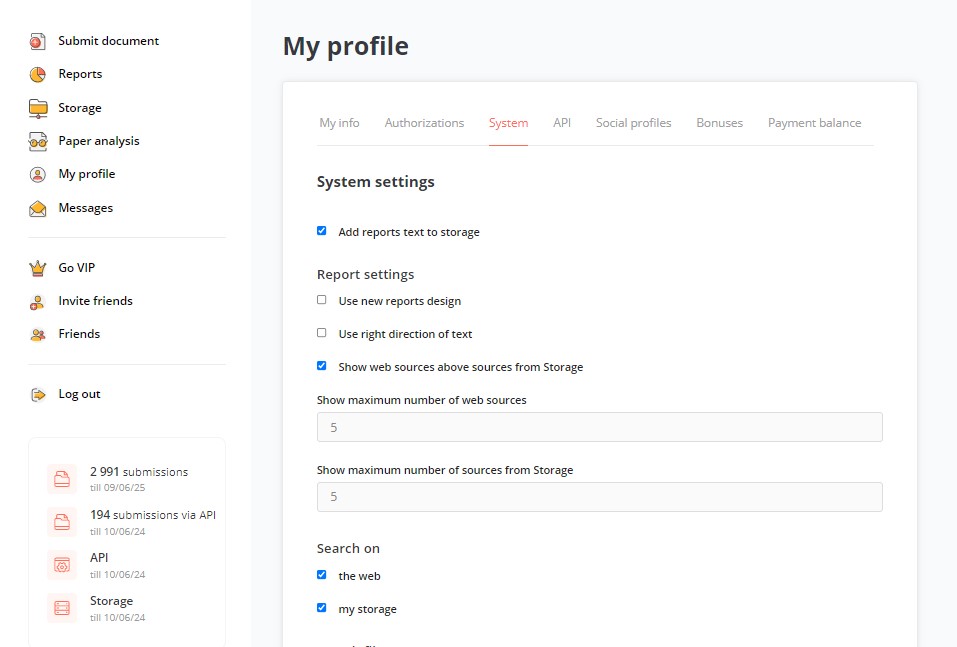
Check the current report legend and controls before drawing conclusions from the ordering of a source list. It is the underlying passage and its context—not the source’s position in the list—that matters.
Privacy, permissions, and organization access
Documents added to private Storage may be indexed for comparisons within the applicable account. They are not automatically published as sources for unrelated PlagiarismSearch customers. In organization accounts, authorized members may be permitted to search shared Storage when the relevant permissions are enabled.
Storage content, generated reports, and account records can have different processing and retention rules. PlagiarismSearch states that reports may move to an archive after approximately 30 days; this is not the same as automatic deletion after 30 days. For current retention and deletion rules, consult the Privacy Policy and Privacy and Data Security overview.
If you manage a team, review who can upload, search, share, and delete repository content. See the Organization Management guide for the account-level permission model. No online system can guarantee zero security risk, so avoid storing content you do not have the authority to process.
A practical checklist before your next Storage check
- Confirm that the private repository contains the documents you intend to compare.
- Check who is authorized to access the repository and its matches.
- Choose Web, Storage, or both according to the purpose of the comparison.
- Review automatic-save options before checking confidential or third-party content.
- Interpret matching passages individually and evaluate quotations and citations in context.
- Consult current account settings or the Help Center if the interface differs from the screenshots.
If your team needs a specialized repository or integration, contact PlagiarismSearch to discuss account capabilities and permissions before relying on any fixed allowance or older pricing information.